DIN 1629 Carbon Steel Seamless PipeDIN 1629 Carbon Steel Seamless Pipe conforming to the German DIN 1629 standard, with high-
Quality Carbon Steel as the base material and processed by seamless forming technology, is a highly adaptable pipe in the general industrial field. As a typical
Carbon Steel Pipe, it combines good mechanical strength, weldability and economy. It is suitable for conventional scenarios such as water supply and drainage, low-pressure oil and gas transportation, and mechanical structure support. In basic working conditions, its cost advantage is significantly better than that of
Alloy Steel Pipe which needs to cope with complex environments.
For different Temperature requirements, this Pipe material is flexibly adapted: In low-temperature transportation scenarios (such as cold chain logistics pipelines, low-temperature storage fluid pipes), it can be used in combination with
Low Temperature Steel Pipe to avoid the risk of low-temperature brittle cracking; Although the heat resistance of the conventional type is not as good as that of the professional
High Temperature Steel Pipe, after being treated by the DIN standard process, it can withstand a certain medium-temperature environment and can be used as the auxiliary Pipe of
Boiler Pipe, suitable for the Boiler low-temperature make-up water or preheating system. In addition, it features precise size control of
Precision Steel Pipe, with a smooth inner wall to reduce fluid resistance and a tight interface to prevent leakage. It strictly meets the size and performance requirements of seamless carbon steel pipes in the DIN 1629 standard, providing a reliable solution for industrial projects that focus on German standard compliance and cost performance.
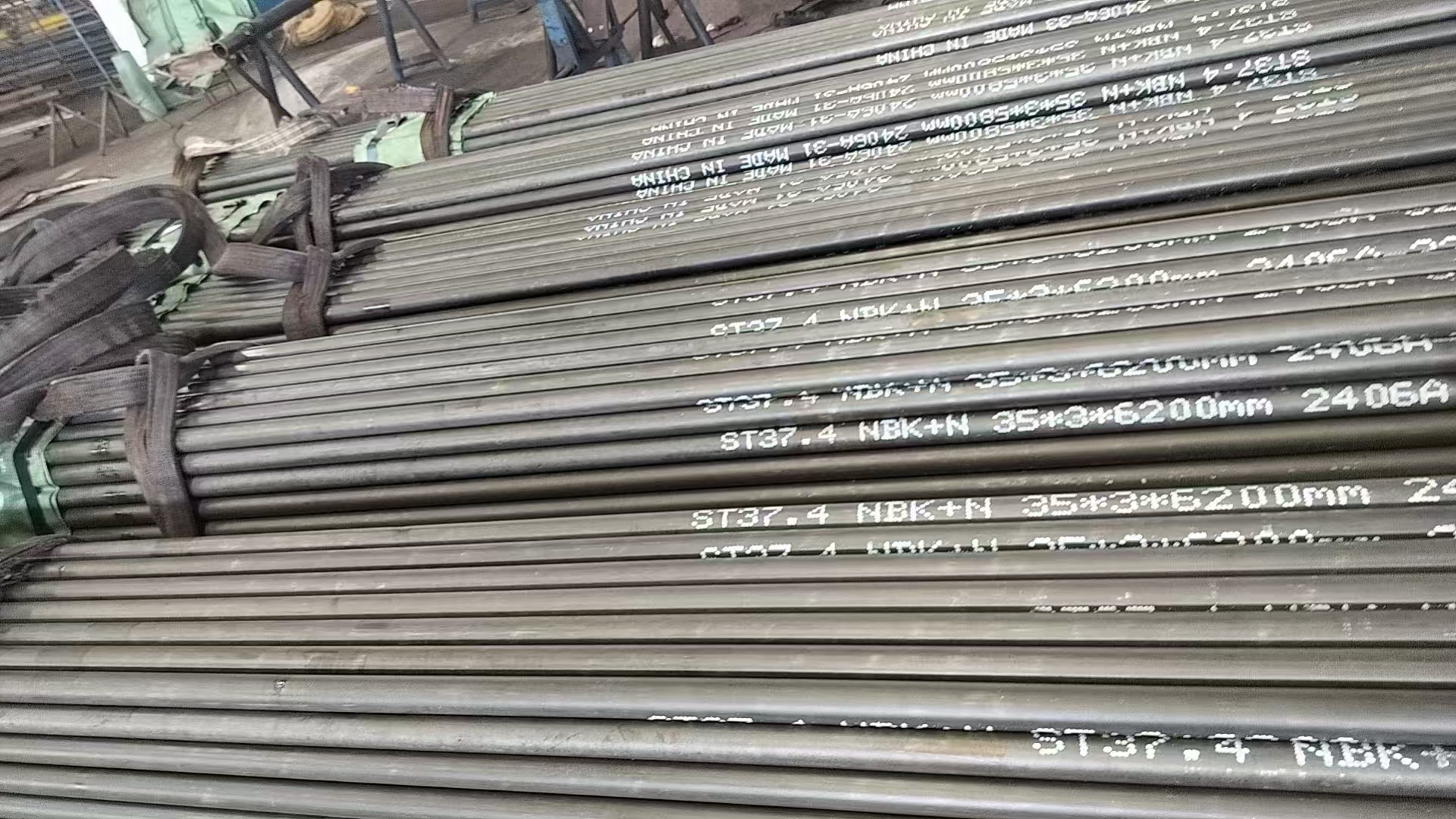
This Seamless Carbon Steel Pipe has excellent mechanical properties, with a good balance of strength and toughness. It can withstand great internal pressure and external forces, and is suitable for a variety of industrial applications. The seamless structure provides a smooth inner surface, which not only promotes the efficient flow of fluids such as water, gas and oil, but also reduces the risk of clogging and corrosion. 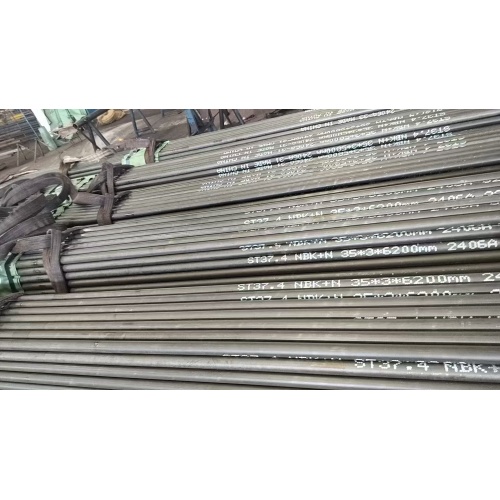


 Baodely Huaian Metal Technology Co., Ltd.


 Contact Now